Safety

Safety is at the core of everything we do. Here, you’ll find essential resources to support safe work every day, including the Capacity Model™—the foundation of Valard’s safety approach—the 7 Human Performance Principles, information on our Safety Points Program, and updates on STKY success reporting.

IMPORTANT NOTICE!

This website is intended to support general safety awareness for Valard employees. It is not an official source for safety documentation required to meet occupational health and safety legislation across Canada.
To access Valard’s complete safety program—including the Safety Manual, Policies, Safe Work Practices (SWPs), Standard Operating Procedures (SOPs), Job Hazard Analyses (JHAs), Toolbox Talks, Safety Data Sheets (SDS), and other controlled documents—employees with a Valard-issued email address must access them via the Health & Safety SharePoint to protect confidentiality and ensure version control.
If you require access to a specific safety document, please speak with your supervisor to ensure you have the most current and approved information.

Thank you for helping us maintain a safe, compliant, and informed workplace.

The Capacity Model™

A Safer Way to Plan, Execute, and Learn From Work

The Capacity Model™ aims to eliminate life-threatening, life-altering, and life-ending events by focusing on human performance and building the capacity to fail safely.

Human Performance Principles
  1. People Make Mistakes. Errors are normal. Event the best make mistakes.
  2. Failure Can Occur Safely. Failure's not a matter of if, but when. We will always plan and execute our work as if failure is going to happen today.
  3. Context Influences Behaviour. Workers do what they do for a reason, and those reasons make sense in the context of the situation.
  4. Violations are Rarely, if Ever, Malicious. Blame fixes nothing.
  5. Incidents Can Stem from Normal Deviations. How we imagine work takes place is different from how work actually takes place.
  6. Management's Response to Failure Matters. Managers shape how the organization learns by their reaction to failure.
  7. Learning is a Deliberate Improvement Strategy. Learning is a strategic and operational choice to improve.
SYKY

We learn to identify the STKY scenarios on the jobsite before the work begins. Significant events are a result of a release or transfer of energy that can’t be absorbed safely. When high-energy exposure exists, we must have the capacity to fail safely.

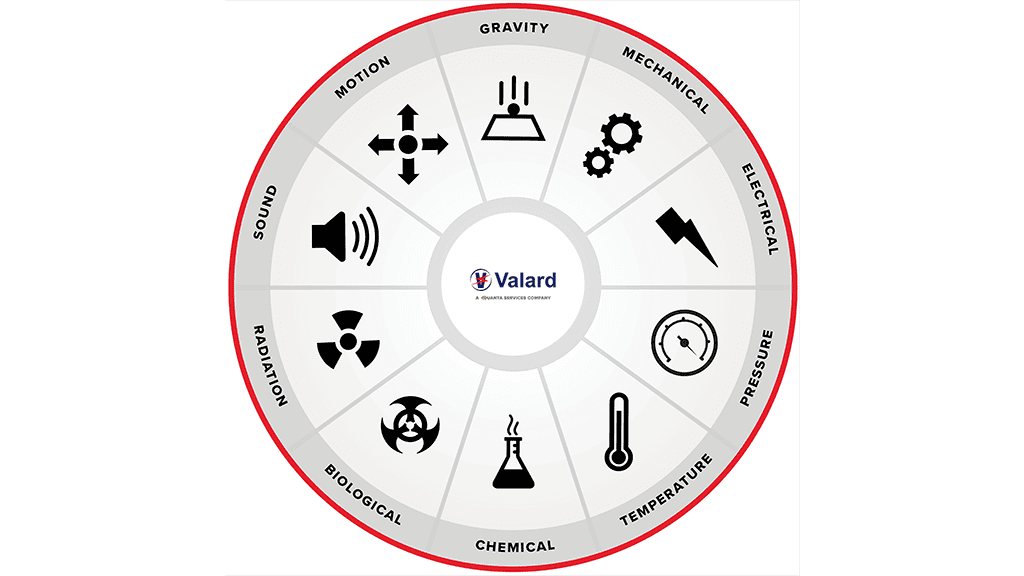
Energy Wheel

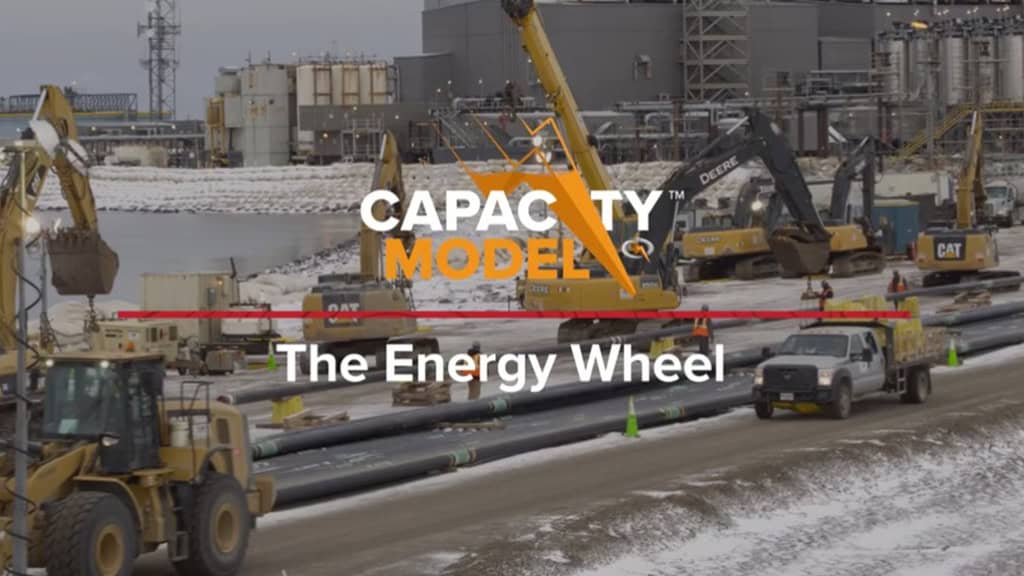
The Energy Wheel is a hazard-identification tool that helps us systematically evaluate the types of energy we are exposed to on the jobsite before work begins.
Employee Incentive Program

Safety Points

Valard Construction believes that employees who achieve high work standards in both Safety as well as “Doing It Right”, deserve to be recognized. As such, a Positive Incentive Policy program has been developed so that employees who are showing that work can be done without incident and who are following all safe work practices and standards are rewarded.

STKY Success, Good Catch, and Near Miss Reporting Initiative

What is a STKY Success?

A STKY Success is an event where controls were in place, functioned correctly and effectively by protecting workers from the release of energy, capacity to fail existed. The energy release had the potential to cause life-altering or life-ending injury (STKY A). 

Example: A worker drops a wrench from a height of 20 feet; it hands in a designated drop zone, and no one is injured. 

What is a Good Catch?

A Good Catch is a potential incident that was avoided - on that could have caused injury or property damage - through observation or inspection, followed by proactive, corrective action. 

Example: Recognizing a cracked weld on the boom of an aerial lift before placing it in service. An unwanted release of energy did not occur because the cracked weld was caught, and the lift was removed from service. 

What is a Near Miss?

A Near Miss is an unexpected event that did not cause injury or damage this time but had the potential to do so. The energy released by this event would not be sufficient to cause significant injury. 

Example: While pulling wire, a worker identified a damaged traveler. The pull was stopped, and the traveler was replaced; there was no damage to the wire. A worker suffers a trip and fall, but there is no injury. 
Submit the form via the BIS Safety App or through your foreman or supervisor. 

Questions?

Need to talk to someone in Safety? Contact us today.